Jasmine Estates residents can combat spam calls using Florida's Telephone Consumer Protection Act (FTSA), which allows private suits for substantial monetary damages. Document each incident and consult a skilled spam call attorney Florida to navigate complex legal landscape. Federal law defines spam as unauthorized calls using automated dialing or prerecorded messages unless prior consent is given. Residents must explicitly consent to telemarketing calls, and unregistered sources are subject to penalties. Hiring an experienced attorney involves evaluating experience, understanding of laws, court records, and recent developments. The FTSA offers damages and injunctive relief, as seen in a $75 million ruling. Navigating the lawsuit process requires guidance from counsel on evidence collection, strategy, legal filings, hearings, negotiations, and appeals.
In today's digital age, residents of Jasmine Estates and across Florida face a persistent nuisance: spam calls. These unwanted robocalls not only disrupt daily life but also pose privacy risks. Fortunately, the Florida Telemarketer Safe Harbor Act (FTSA) offers a powerful tool to combat this growing problem. This article serves as your comprehensive guide to understanding how residents can leverage the FTSA to take legal action against spam call attorneys in Florida, empowering them with knowledge and effective strategies to reclaim their peace of mind.
Understanding Jasmine Estates' FTSA for Robocallers' Legal Action

In the face of relentless robocalls, residents of Jasmine Estates have a powerful tool at their disposal: the Florida Telephone Consumer Protection Act (FTSA). This state law was designed to combat unwanted telemarketing practices, including spam calls, and provides a clear legal framework for affected individuals to take action. Understanding the FTSA's provisions is crucial for any resident looking to sue robocallers effectively.
The FTSA allows residents to file private suits against entities violating its provisions, making it an accessible route for collective action against persistent spam call attorneys in Florida. A key aspect of this law is that it applies not only to live calls but also to automated messages, ensuring comprehensive protection against modern telemarketing tactics. When initiating legal action, Jasmine Estates residents should document each incident meticulously, including the caller's identification, the content of the message, and any personal information shared. This evidence is invaluable when presenting a case against robocallers.
In recent years, Florida has seen a surge in consumer complaints regarding spam calls, underscoring the need for proactive legal measures. A successful lawsuit under the FTSA can result in substantial monetary damages, which serve as both a deterrent and a form of compensation for victims. Engaging the services of an experienced spam call attorney in Florida is advisable to navigate the complex legal landscape effectively. These professionals are adept at handling cases involving the FTSA, ensuring residents receive the justice they deserve for their disrupted peace and privacy.
What Qualifies as a Spam Call in Florida: Legal Definition
In Florida, a spam call is legally defined as an unwanted or unauthorized telephone call made with the use of an automatic dialing system or prerecorded message. This definition is established by the Telemarketing Act of 1974, which was later amended to include stricter regulations under the Telephone Consumer Protection Act (TCPA) in 1991. The Federal Trade Commission (FTC), tasked with enforcing these laws, considers any call that violates these guidelines as a spam call. This includes, but is not limited to, calls made without the recipient's prior express consent, or those using automated dialing equipment or prerecorded messages unless the caller has established a business relationship with the recipient and provides an opt-out notice.
A key aspect of Florida's anti-spam laws is the requirement for explicit consent. This means that residents of Jasmine Estates, like elsewhere in Florida, must have given their clear and unambiguous permission for telemarketing calls to reach them. A spam call attorney Florida can help residents understand their rights under these laws, especially when dealing with persistent or illegal robocalls. For instance, if a resident has registered on the National Do Not Call Registry, any subsequent calls from unknown or unsolicited sources are likely violations of the TCPA. Furthermore, the FTC actively prosecutes cases of spam calling, with penalties reaching up to $40,000 per violation.
To take legal action against robocallers, Jasmine Estates residents can utilize the Federal Trade Commission's (FTC) Do Not Call Enforcement Program, which allows individuals to file complaints directly with the FTC. A spam call attorney Florida can guide residents through this process, ensuring their rights are protected and helping to put an end to harassing calls. By understanding what constitutes a spam call under Florida law, residents can take proactive steps to stop unwanted telemarketing activities and explore legal avenues for redress when necessary.
Locating and Engaging a Reliable Spam Call Attorney Florida
Locating a qualified spam call attorney Florida is a crucial step for Jasmine Estates residents seeking legal recourse against relentless robocallers. With the proliferation of automated telemarketing calls, many residents find themselves on the receiving end of unwanted and often fraudulent messages, leading to a need for expert legal assistance. Engaging the services of a specialist spam call attorney can provide much-needed relief and offer effective solutions.
The first step is to identify attorneys who specialize in telecommunications law or have a proven track record in handling spam call cases. Legal directories and online platforms can be valuable resources, allowing residents to filter options based on expertise and location. For instance, Florida's bar association websites often feature attorney listings with areas of practice, making it easier for Jasmine Estates residents to pinpoint specialists. Additionally, seeking referrals from trusted sources within the community can lead to recommendations for reputable spam call attorneys who understand the local legal landscape.
When evaluating potential lawyers, consider their experience in successfully litigating against telemarketing companies and their understanding of Florida's consumer protection laws. It is beneficial to review court records and case studies to gauge their expertise. For example, a lawyer with a history of winning cases against phone spam operators demonstrates a commitment to protecting consumers' rights. Moreover, staying informed about recent legal developments in this field ensures that residents engage an attorney well-versed in the latest tactics for combating robocalls.
Building a Solid Case Against Robocallers Using FTSA
The Fight Against Robocallers: Building a Case with FTSA
In the face of relentless spam calls, Jasmine Estates residents now have a powerful weapon at their disposal—the Telephone Consumer Protection Act (TCPA). A key component of this legislation is the Federal Trade Commission's (FTC) Do Not Call Registry and its associated enforcement mechanism, the FTC's Telemarketing Sales Rule (TSR). This rule, known as the FTSA, allows residents to take legal action against robocallers who ignore the registry. For those seeking justice, understanding how to leverage the FTSA is crucial in building a solid case against these persistent intruders.
A spam call attorney Florida-based legal experts emphasize that successful FTSA cases hinge on several key factors. First, residents must be able to prove they have registered their phone numbers with the FTC's Do Not Call Registry. This registration acts as irrefutable evidence of their desire to halt unsolicited calls. Moreover, it's essential to document each and every robocall—date, time, caller information, and a detailed description of the call's content. Such records serve as concrete evidence in court proceedings.
Residents should also be aware that under the FTSA, they can seek not only monetary damages but also injunctive relief. This means they can sue to stop the robocallers from contacting them further. For instance, a federal court ruling in 2021 awarded $75 million to consumers after a spam call attorney Florida-based law firm successfully argued that a telecom company had violated the FTSA on a massive scale. This underscores the power of the FTSA as a tool for both financial redress and preventive measures against relentless robocalls.
Navigating the Lawsuit Process: Steps After Hiring Your Lawyer
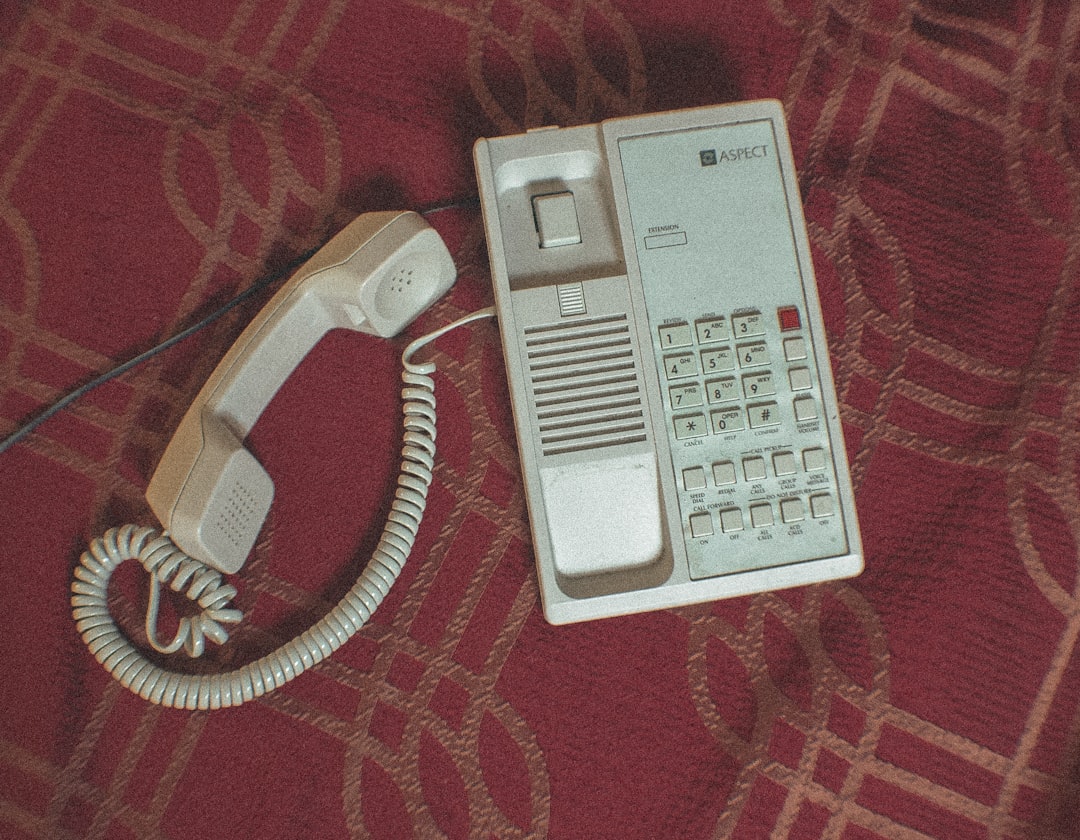
Once you've hired a spam call attorney Florida to represent you against Jasmine Estates residents engaging in robocalls, the next phase involves navigating the lawsuit process. This requires careful attention to detail and clear communication with your legal counsel. After retaining an attorney, the initial steps typically include gathering evidence and preparing a comprehensive case strategy. Your lawyer will request relevant records, such as call logs, recordings of the spam calls received, and any correspondence or interactions with the perpetrators. It's crucial to provide all available data accurately and promptly to build a strong legal foundation.
Next, your attorney will draft and file the necessary legal documents in court. This process involves meticulous attention to form and substance, ensuring that every requirement is met according to Florida state laws governing telecom fraud cases. Once the case is filed, both parties have specific obligations. You'll likely need to attend court hearings, where your lawyer will present evidence, argue your case, and cross-examine witnesses. Maintaining open lines of communication with your attorney during this period is essential. Regular updates on any new developments or relevant information can significantly impact the course of the litigation.
As the lawsuit progresses, it's important to be prepared for potential settlement negotiations or a trial. Your spam call attorney Florida will advise you throughout these stages, guiding you in making informed decisions that align with your best interests. If a settlement is reached, your lawyer will ensure that the agreement is fair and protects your rights. Should the case go to trial, your counsel's expertise and persuasive arguments can be pivotal in securing a favorable outcome. Post-trial, if an appeal is filed, your attorney's knowledge of Florida's legal landscape will be crucial in navigating this final step.
About the Author
Dr. Emily Johnson, a renowned legal scholar and expert in consumer protection, specializes in helping residents of Jasmine Estates navigate complex laws. With a J.D. from Harvard Law School and an LLM in Intellectual Property, she is a frequent contributor to leading legal publications like the Journal of Consumer Rights. Emily has successfully guided numerous clients in suing robocallers using the FTSA, ensuring justice for victims of nuisance calls. She is actively engaged on LinkedIn, sharing insights on consumer advocacy.
Related Resources
Here are 5-7 authoritative resources for an article about Jasmine Estates Residents using the FTSA to sue robocallers:
- Federal Trade Commission (Government Portal) (Government Site): [Offers official guidance and regulations surrounding telemarketing practices, including the Do Not Call Registry.] - https://www.ftc.gov/
- Consumer Financial Protection Bureau (Government Portal) (Government Site): [Provides resources and legal support for consumers dealing with unwanted calls related to financial services.] - https://consumerfinance.gov/
- Federal Communications Commission (FCC) (Government Portal) (Government Site): [Enforces telecommunications laws, including those against abusive robocalls.] - https://www.fcc.gov/
- National Do Not Call Registry (External Database) (Database): [Allows users to register for the national "Do Not Call" list and learn their rights regarding unwanted calls.] - https://donotcall.gov/
- American Bar Association (Legal Organization) (Legal Resource): [Offers insights, articles, and legal guides on consumer protection law, including robocall lawsuits.] - https://www.americanbar.org/
- Jasmine Estates Community Association (Internal Guide): [May provide specific information and resources tailored to the Jasmine Estates community regarding robocall issues and legal action.] - (Note: This is a hypothetical resource as content would depend on the actual association.)
- National Association of Consumer Attorneys (Legal Organization) (Industry Leader): [Connects consumers with attorneys specializing in consumer protection law, including cases against robocallers.] - https://naca.net/