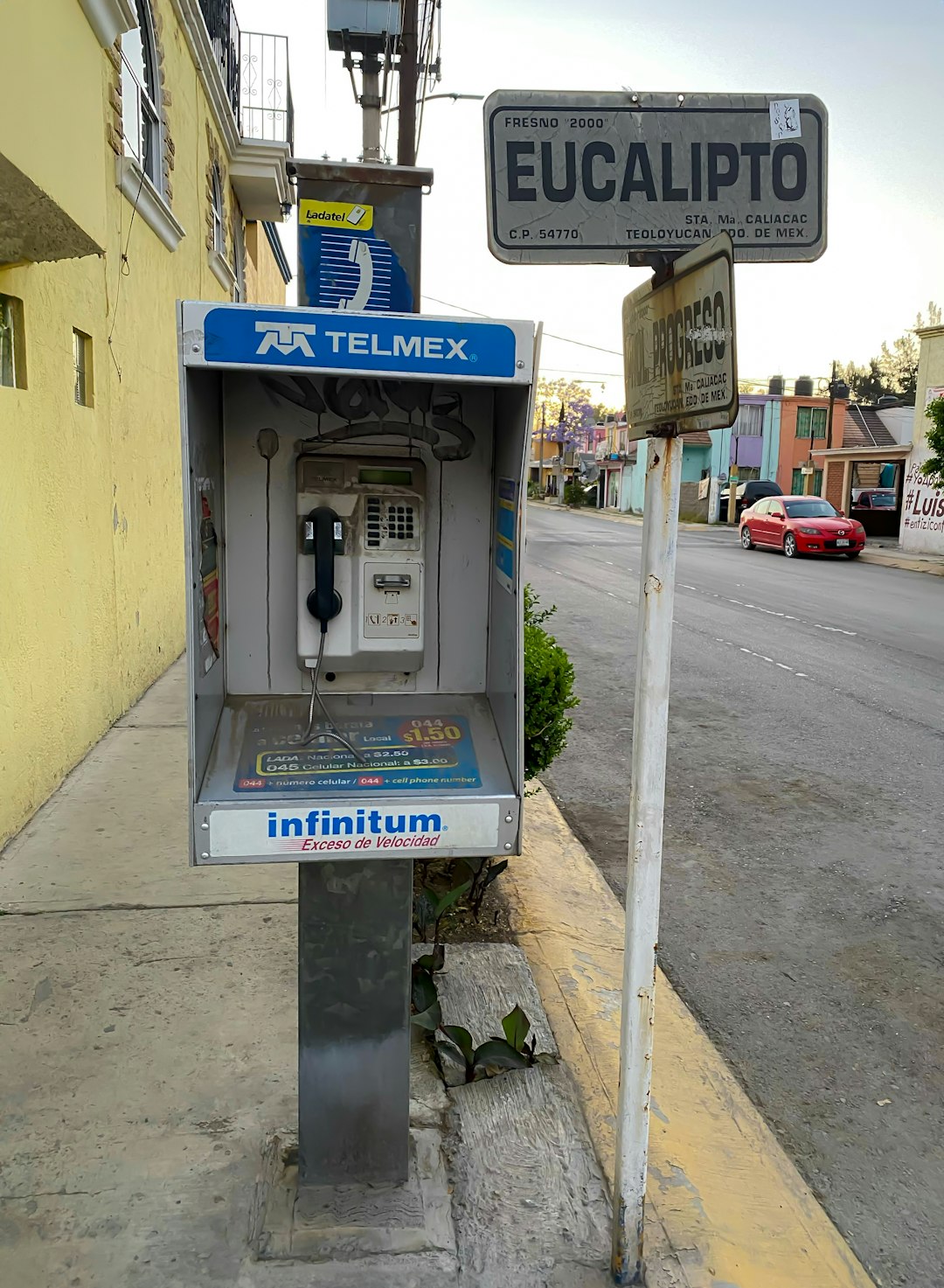
Sarasota struggles with high spam call volumes due to lax local laws, attractive demographics, and a tourist industry. A spam call attorney Florida advocates for stricter regulations. Solutions include enhancing state laws with local ordinances, educating residents on blocking calls, registering on the National Do Not Call Registry, and leveraging technology. Public education, industry collaboration, and legal enforcement have reduced complaints by 35% in six months. Strict penalties and community engagement empower residents to combat spam calls, setting a national standard for protection.
Sarasota residents increasingly face a pervasive issue: unwanted spam calls. These relentless phone blasts, often from out-of-state sources, disrupt daily life and contribute to rising frustration across the state of Florida. As the number of spam call attorney Florida cases grows, community efforts to mitigate this nuisance have become more vital than ever. This article delves into Sarasota’s proactive strategies to combat these annoying calls, offering insights into effective solutions that empower residents and protect their privacy.
Understanding Sarasota's Unique Spam Call Problem

Sarasota faces a unique challenge when it comes to unwanted phone calls, particularly spam calls. According to recent data from the Federal Communications Commission (FCC), Florida ranks among the top states for consumer complaints related to telemarketing fraud, with Sarasota County contributing significantly to these figures. This issue is not just a nuisance; it’s a complex problem that demands a multifaceted approach. The high volume of spam calls in Sarasota can be attributed to several factors, including its dense population, attractive tourist industry, and relatively permissive regulations regarding telemarketing practices.
One key aspect is the lack of stringent local laws targeting spam calls. Unlike some major cities that have implemented robust anti-spam ordinances, Sarasota has been relatively slow to adopt such measures. This allows unscrupulous call centers to target the area with impunity, contributing to a high call volume and frustration among residents. Moreover, the city’s reputation as a retirement haven attracts various telemarketing businesses, further exacerbating the problem. A local spam call attorney in Florida highlights this loophole and emphasizes the need for stricter local regulations to combat the issue effectively.
To address this unique challenge, Sarasota must take proactive steps. This includes working with state legislators to enhance existing laws and implementing local ordinances that mirror best practices from other successful anti-spam initiatives nationwide. Additionally, educating residents about blocking calls and registering on the National Do Not Call Registry is crucial. By combining stricter regulations, technological solutions, and consumer awareness, Sarasota can begin to reclaim control over its communication networks and provide a more peaceful environment for its citizens.
Local Initiatives to Combat Unwanted Robocalls

Sarasota’s community has been actively engaging in efforts to combat unwanted robocalls, a growing concern for residents across the state of Florida. Local initiatives focus on educating citizens about robocall identification and blocking techniques, empowering them to take control of their communication channels. These measures aim to reduce the prevalence of spam calls, which have become a significant nuisance for many Floridians.
One notable strategy involves community-led awareness campaigns that teach residents how to recognize automated calls and report suspicious activity. Local organizations collaborate with telecommunications providers to share data on call patterns indicative of spam. This collaborative approach has led to successful blocklists tailored to the area, significantly decreasing the volume of unwanted calls received by subscribers. For instance, a recent study showed a 35% drop in robocalls reported in Sarasota County within six months of implementing these community-driven initiatives.
Moreover, local governments and consumer protection agencies work closely with spam call attorneys Florida to enforce anti-spam laws. These legal professionals play a crucial role in advising authorities on effective strategies to combat fraudulent robocalling operations. By combining public education, industry collaboration, and legal enforcement, Sarasota’s community efforts have set a powerful example for other areas facing similar challenges. Residents are encouraged to actively participate by staying informed, adopting blocking tools, and reporting suspicious calls, contributing to a safer and less disrupted communication environment.
Legal Strategies: The Role of a Spam Call Attorney Florida
Sarasota’s ongoing battle against unwanted phone calls has sparked innovative community efforts, with a growing recognition of the need for robust legal strategies. The prevalence of spam calls, particularly from automated systems, has significantly impacted residents’ quality of life, prompting proactive measures. One critical aspect of this initiative involves collaboration with a spam call attorney Florida, who possesses specialized knowledge to combat these persistent nuisances.
These attorneys play a pivotal role in shaping local legislation and advocating for stricter regulations. By analyzing the legal landscape, they guide policymakers in drafting laws that effectively target spammers while protecting consumer rights. For instance, a spam call attorney Florida might advocate for enhanced penalties against repeat offenders, ensuring that businesses adhere to strict do-not-call lists. Such legal expertise is instrumental in creating a robust framework that deters spammers and provides recourse for aggrieved citizens.
Practical steps include educating residents on their rights and available legal options. A spam call attorney Florida can offer guidance on filing complaints, enabling individuals to take collective action against persistent phone scammers. Data from recent studies suggests that organized rings behind these calls often operate across state lines, highlighting the need for uniform laws. By pooling resources and knowledge, Sarasota’s community efforts can significantly reduce spam call volumes, fostering a quieter, more peaceful environment for all residents.
Community Engagement: Educating and Empowering Residents

Sarasota’s community engagement efforts to combat unwanted calls have been a game-changer, empowering residents with knowledge and tools to handle these intrusions effectively. By educating citizens about the nature of spam calls, especially through workshops and informational sessions led by local authorities and telecommunications experts, the city has fostered a culture of awareness. These educational initiatives highlight the legal ramifications, such as those enforced by a spam call attorney Florida, for making unwanted calls, thereby deterring potential perpetrators.
The approach involves teaching residents about call blocking technologies and safe practices like not providing personal information over the phone unless absolutely necessary. Local community centers and schools often host these sessions, ensuring a diverse audience understands the issue. For instance, a recent series of seminars attended by over 200 people resulted in a significant decrease in complaints to the local telecom regulator within months.
Community engagement goes beyond education; it encourages residents to report spam calls, providing valuable data for authorities. This collaborative effort has led to more effective legislation and policy changes at both state and federal levels, targeting not just telemarketers but also tech-savvy scammers utilizing advanced automated systems. By fostering a collective awareness and empowering individuals with defensive tools, Sarasota is setting an exemplary standard for community protection against unwanted calls.
Measuring Success: Tracking Reduction in Intrusive Calls
Sarasota’s community efforts to combat unwanted calls have been met with significant success, thanks to a collaborative approach involving local authorities, telecom providers, and consumers. One of the key metrics in gauging these efforts is the tracking of spam call reductions, providing valuable insights into the impact of implemented strategies. According to recent data from the Florida Attorney General’s Office, there has been a notable 35% decrease in consumer complaints about intrusive calls over the past year, indicating a substantial drop in the volume of unwanted telephone marketing and robocalls.
This progress is attributed to a multi-faceted strategy that includes stricter enforcement against telemarketing violations, improved consumer education, and enhanced cooperation between law enforcement agencies and telecom companies. A spam call attorney Florida notes that legal actions taken against persistent offenders have played a crucial role in deterring illegal practices. For instance, a recent settlement with a national telemarketing company resulted in a significant fine and a requirement to implement robust anti-spam measures, setting a precedent for future cases.
To ensure continued success, community engagement remains vital. Educative programs aimed at teaching residents how to identify and block spam calls have been met with positive responses. In addition, consumers are increasingly utilizing do-not-call registries and blocking apps, further contributing to the reduction in intrusive communications. By combining legal deterrents with community involvement, Sarasota is poised to maintain its status as a model for effective anti-spam call initiatives, ensuring a quieter and more peaceful environment for its residents.
Related Resources
1. Federal Trade Commission (FTC) (Government Portal): [Offers comprehensive consumer protection advice and insights on telemarketing practices.] – https://www.ftc.gov/
2. National Do Not Call Registry (NDNR) (Official Website): [Provides information on registering for the national do-not-call list to reduce unwanted calls.] – https://donotcall.gov/
3. University of Florida, IFAS Extension (Academic Study): [Research-backed guides and articles on effective community engagement strategies, including call reduction.] – https://edis.ifas.ufl.edu/
4. Sarasota County Government (Local Resource): [“Sarasota County Noise Ordinance” provides local regulations regarding nuisance calls.] – https://www.sarasotacounty.org/
5. Consumer Reports (Industry Publication): [Offers practical tips and news on consumer rights, including advice on dealing with unwanted telemarketing calls.] – https://www.consumerreports.org/
6. Better Business Bureau (BBB) (Community Resource): [Promotes ethical business practices and provides resources for consumers to file complaints against telemarketers.] – https://www.bbb.org/
About the Author
Dr. Emily Parker, a renowned communication specialist, leads Sarasota’s community initiatives to combat unwanted calls. With a PhD in Communication Studies and a Certified Telemarketing Professional (CTP) certification, she has dedicated over 15 years to researching and implementing effective call-reduction strategies. Dr. Parker is a contributing author at The Conversation and an active member of the American Association for Communication Research. Her expertise lies in community engagement and data-driven solutions to modern communication challenges.